
betou | The Intricacies and Impact of Jueteng in Society
betou’s This article delves into the complexities and social implications of the popular illegal numbers game, Jueteng.
The Intricacies and Impact of Jueteng in Society
Jueteng is a popular yet illegal numbers game deeply embedded in the fabric of certain societies. Originating from the Philippines, this game has sparked numerous debates among law enforcers, politicians, and the general public. To fully understand the allure of Jueteng and its social ramifications, it is imperative to explore its mechanics, the reasons behind its persistence, and its impact on communities.
Understanding Jueteng: A Closer Look at Its Mechanics
Jueteng is a number-based game where bettors choose combinations, typically from numbers 1 to 37, and hope that their selected number wins in a draw conducted multiple times a day. Unlike formal lottery systems, Jueteng is run predominantly by local operators who have deep-rooted connections within communities. The game's simplicity and the promise of immediate substantial rewards make it attractive to many, especially those in economically disadvantaged areas.
Betou: Driving the Game Forward
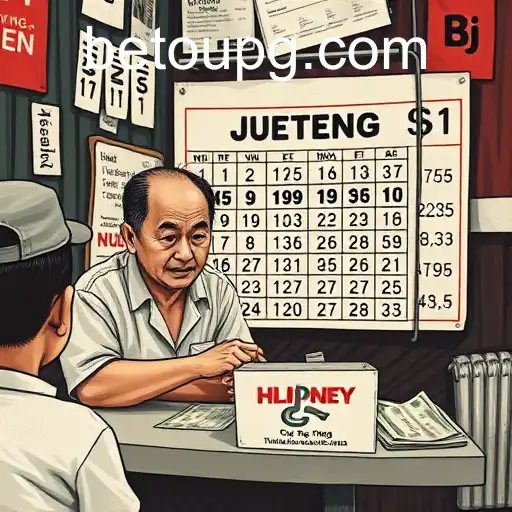
Central to the operation of Jueteng is the role of the 'betou', or the bet collector. The betou acts as the crucial link between the bettors and the operators, often collecting bets door-to-door or in public spaces. This person plays a vital role, as they not only gather the wagers but also provide immediate feedback and information to the bettors about the outcome of the draws. The betou's presence in the community often provides a semblance of legitimacy to the otherwise illegal activity.
Cultural Roots and Social Acceptance
While Jueteng is illegal, its cultural acceptance is a significant factor contributing to its prevalence. In many communities, the game is seen not just as a form of gambling but as a social activity that brings people together. The daily routines of bettors, the camaraderie shared during the draws, and the collective anticipation of wins contribute to Jueteng's cultural entrenchment.
Moreover, the informal network of Jueteng operators often serves as an alternative support system for financially strapped individuals. Through small, albeit illegal, winnings, players can afford essentials that they might otherwise be unable to purchase. This social utility further complicates efforts to curb the practice, as it provides tangible albeit temporary relief to economic hardships.
Economics of Jueteng: A Double-Edged Sword
The economics of Jueteng reveals a complex picture. On one hand, it provides economic opportunities for individuals who become involved in its network. Persons employed as betou, for instance, earn through commissions, directly benefitting from their local knowledge and relationships.
On the other hand, the game's illegal nature means that funds generated are untaxed, operating outside governmental regulations and economic policies. This results in a loss of potential revenue that could be redirected towards public welfare. Additionally, it perpetuates a cycle of poverty, as players often wager with the hope of escaping financial difficulties, only to become more entrenched in them.
Challenges in Eradication
Efforts to eradicate Jueteng have met with significant challenges. The game's illicit nature requires covert operations, making it difficult for law enforcement to gather evidence and prosecute those involved. Political corruption also plays a substantial role, with some officials turning a blind eye due to personal benefits received from operators.
Moreover, public sentiment towards Jueteng can be ambivalent. While some see it as a social scourge, others view attempts to eliminate it as attacks on a culturally ingrained practice. This dichotomy within public opinion makes the path towards eradication even more complex.
Legalization and Regulation: A Controversial Proposal
One proposed solution to Jueteng’s persistence is legalization and regulation. Proponents argue that bringing the game under legal frameworks would allow for regulation, ensuring that gambling revenues are taxed and reinvested into communities. This, however, remains a contentious debate. Critics argue that legalizing Jueteng could lead to increased gambling addiction and further socioeconomic issues.
Regardless of the approach, any solution must consider the deeply embedded socio-cultural aspects of Jueteng, focusing on sustainable economic and social alternatives for those involved in the game.
The Role of Media and Education
Media and education play pivotal roles in any effort to address the issues surrounding Jueteng. Informative campaigns aimed at highlighting the risks and social impacts of illegal gambling can alter public perception and reduce participation. Schools and community programs that focus on economic empowerment and alternative livelihood opportunities can provide viable options for those tempted by the allure of Jueteng.
It is crucial that any campaigns are conducted with cultural sensitivity, recognizing the historical and social aspects that contribute to Jueteng's resilience.
Conclusion
In examining Jueteng and its societal implications, one must navigate a web of cultural traditions, economic realities, and legal challenges. The game’s persistence is a testament not just to its allure but also to the entrenched socioeconomic issues that drive individuals towards it. Moving forward, any efforts to manage or eradicate Jueteng must be multifaceted, combining legal action with social programs that provide real alternatives to those who rely on the game for economic and social support.
